China travel guide
Where to Stay in Beijing: The Best Areas for a First Trip
Dongcheng is the short answer. The long answer is which part of Dongcheng.
By @mesapara1. I traveled through China in April 2026 and created this page and my guide to share what I learned planning the trip on my own.
Last updated: October 17, 2026
At first glance, it looks like all of Beijing's sights are packed into the center. In practice, the distances are huge: the city is far bigger than it looks on the map.
That's why it matters more to pick a hotel near a subway station than to pick a specific neighborhood. Beijing's subway is cheap, efficient and goes everywhere, but the walks to and from the station are what wear you out at the end of the day. And you'll walk a lot in Beijing: the Forbidden City, the Summer Palace and the Temple of Heaven are long walks on their own.
That said, there's one area I recommend for a first trip and another for when you already know Beijing.

Planning a trip to China? The guide brings together, in one place, all the practical information I wish I'd had before traveling. Explore the Guide →
Dongcheng: The Best Choice for a First Trip
The best choice is to stay in Dongcheng, the district east of the Forbidden City and Tiananmen Square.
It holds much of what you'll want to visit, and it's the best base for getting around the rest of the city.
The problem is that Dongcheng is too big. Saying "I'm staying in Dongcheng" tells you almost nothing: you could end up steps from the Forbidden City or several subway stops away. So instead of recommending the whole district, I recommend three specific options:
- Wangfujing, the best location.
- Qianmen, for a traditional atmosphere and street food.
- The hutongs, which are scattered across the district and are an experience in themselves.
All three are in Dongcheng. What changes is the setting.
Wangfujing: The Best Location for a First Trip
If it's your first time in Beijing, this is the area I'd pick.
Wangfujing is right in the center, and its big advantage is location: you can walk to Tiananmen Square and the Forbidden City, probably the two places you'll most want to visit.
It also has great connections to the rest of Beijing and plenty of restaurants, malls and shops, so you never have to go far to eat or take care of anything.
The trade-off is that it's one of the most central and crowded parts of the city, with all the bustle that comes with that.
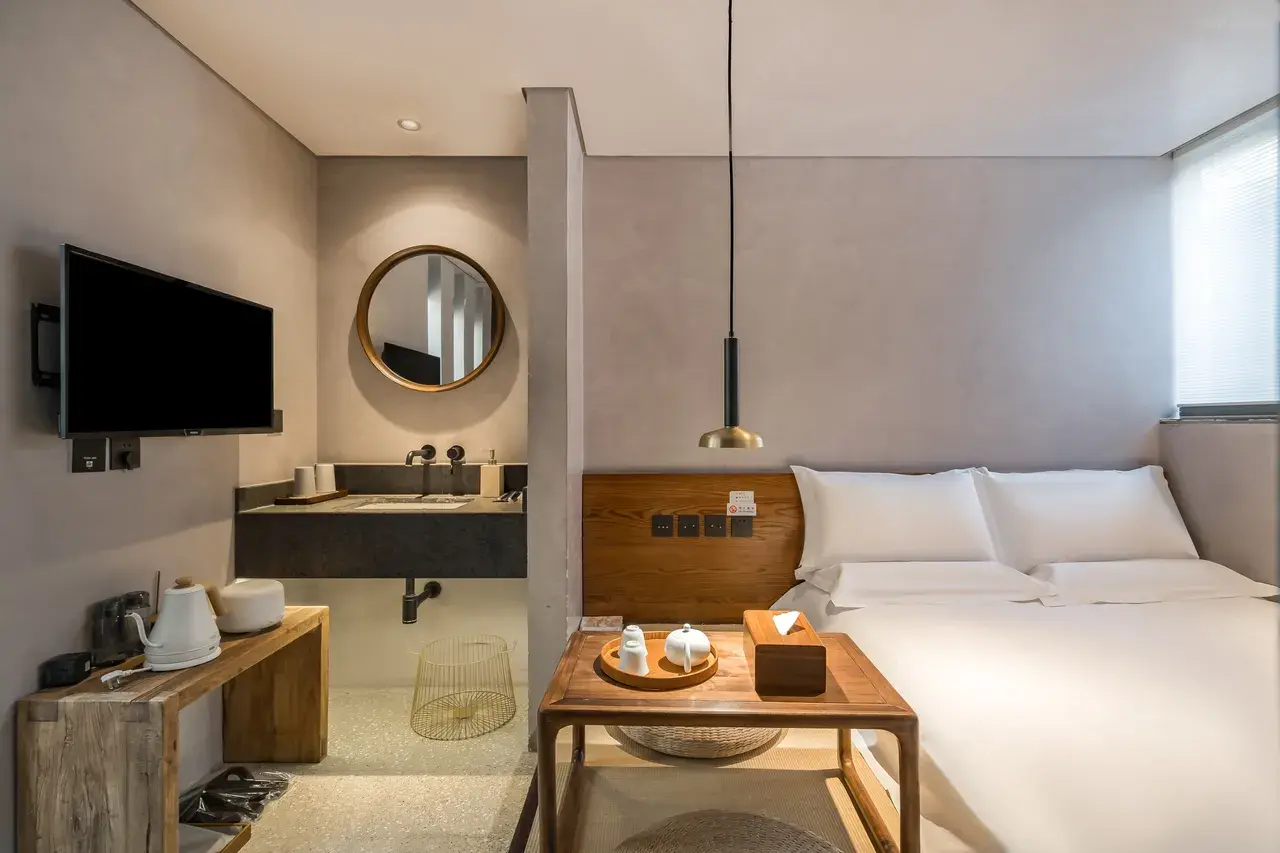
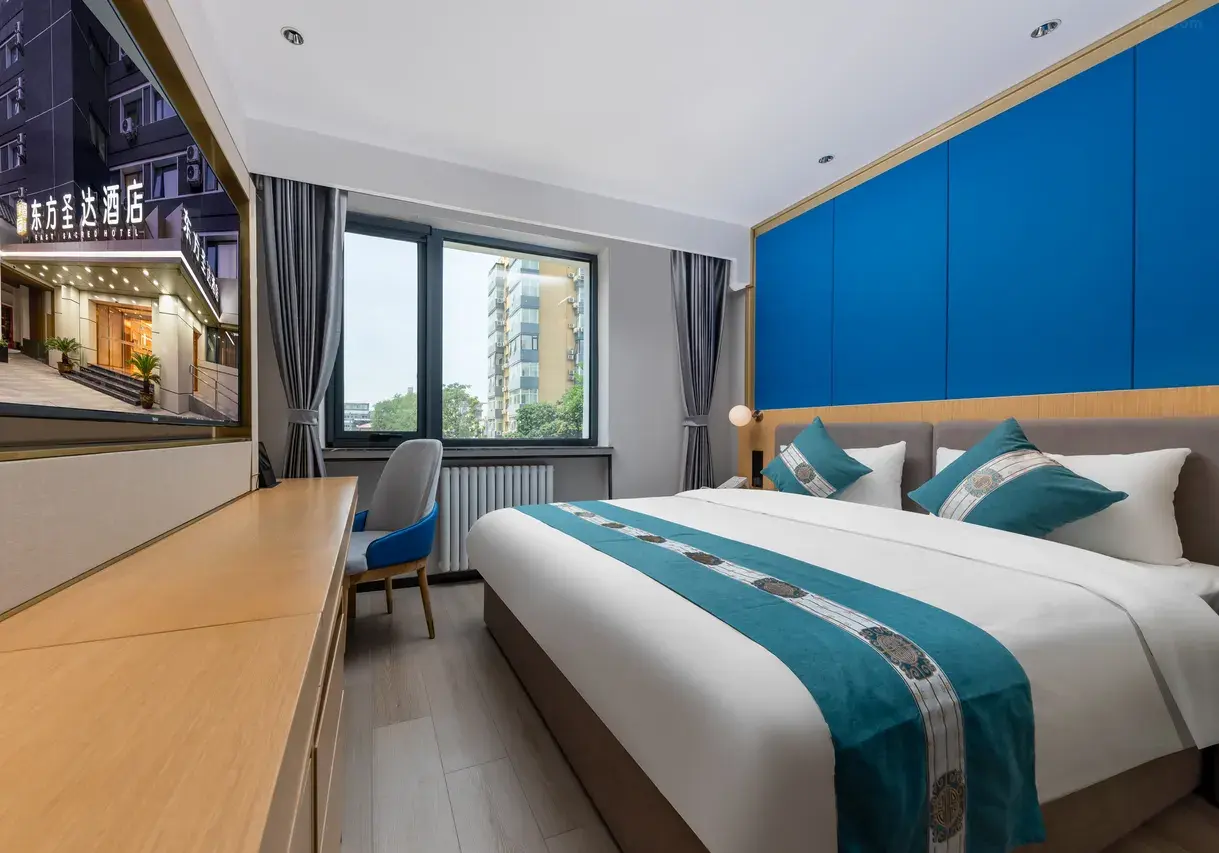
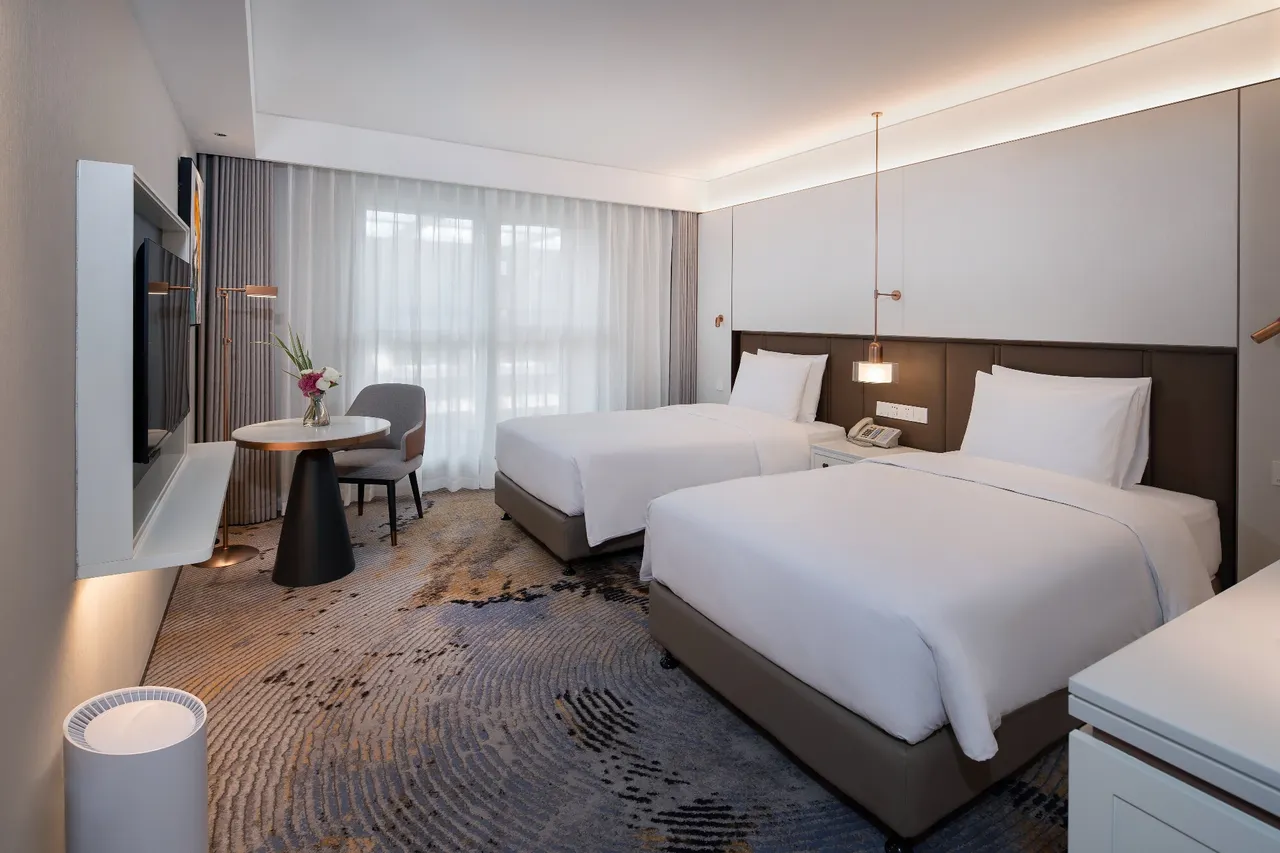
Places to Stay in Wangfujing
Qianmen: Traditional Atmosphere and Street Food
If you prefer a more traditional atmosphere and you're into street food, Qianmen is a great alternative.
It sits just south of Tiananmen Square, so you get Wangfujing's big advantage—walking to the most important sights—here too.
What sets it apart is the setting. Its pedestrian street and the alleys around it are packed with food stalls and traditional shops. It's an area to explore on foot: stop for a bite, keep walking, stop again. If street food is part of what draws you to China, sleeping here puts you right in the middle of it.
The catch: the alleys are a lot more crowded and narrow than Wangfujing's avenues.
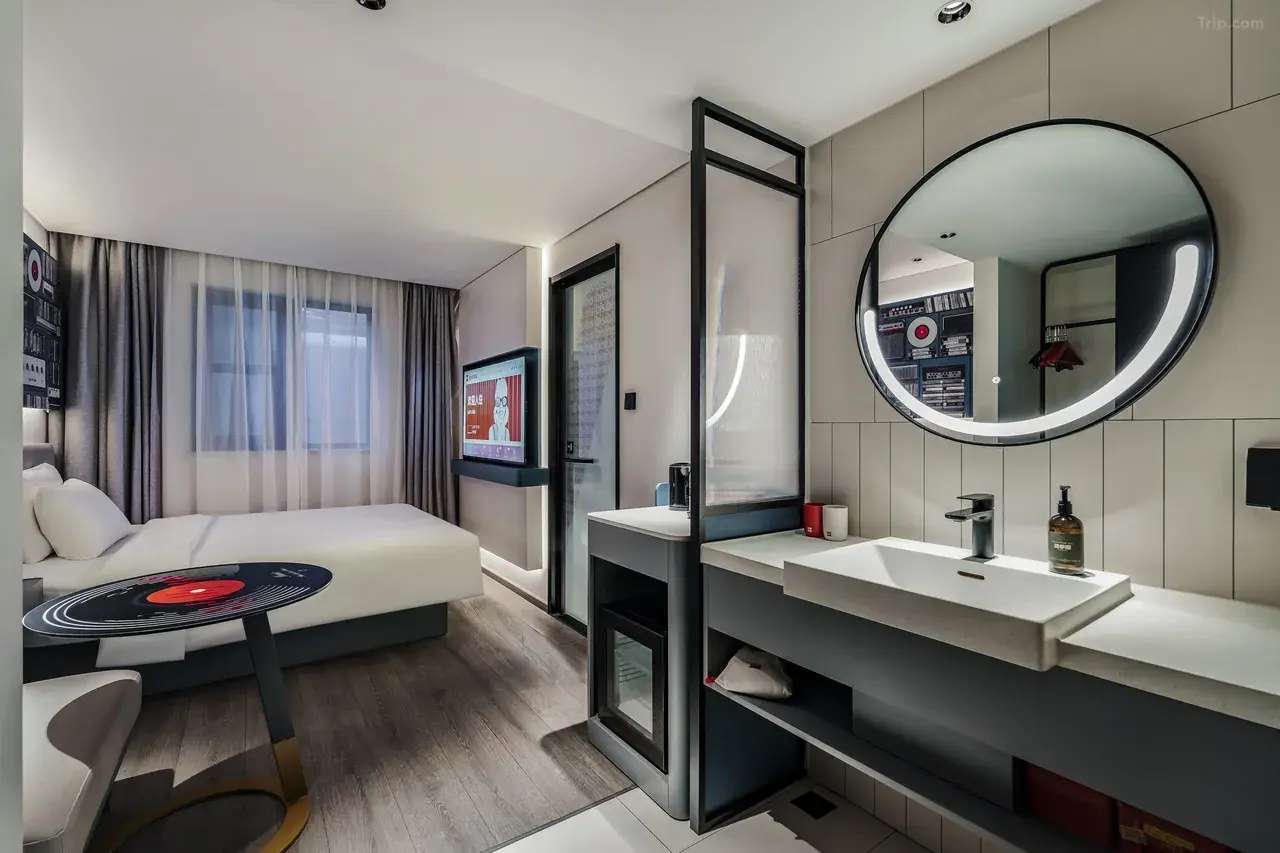
Places to Stay in Qianmen
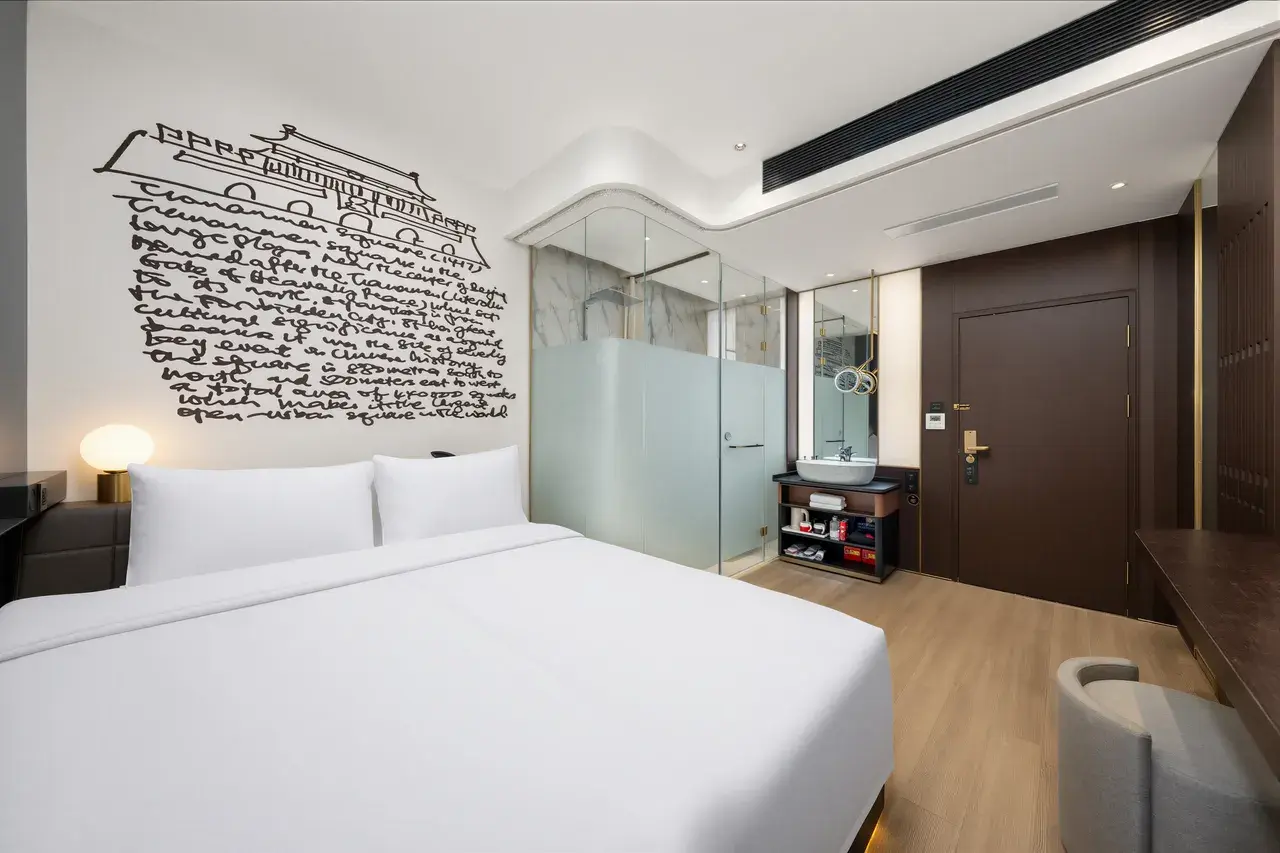

Hutongs: Staying in Traditional Beijing
This is the option I recommend when you want your accommodation to be part of the experience, not just a place to sleep.
Hutongs are Beijing's old traditional neighborhoods: narrow alleys, low houses and inner courtyards. Many have been converted into small boutique hotels, and sleeping in one lets you experience a side of the city completely different from the big downtown hotels.
Unlike Wangfujing and Qianmen, hutongs aren't a single area: they're scattered across Dongcheng. That means location varies a lot from one place to the next, so check case by case how far the nearest subway station is and how far you are from the sights you want to visit.
The other thing to know is the price. Many are well renovated, so you won't necessarily give up comfort, but they're small and in high demand: they often cost more than you'd expect for their size.
Places to Stay in the Hutongs
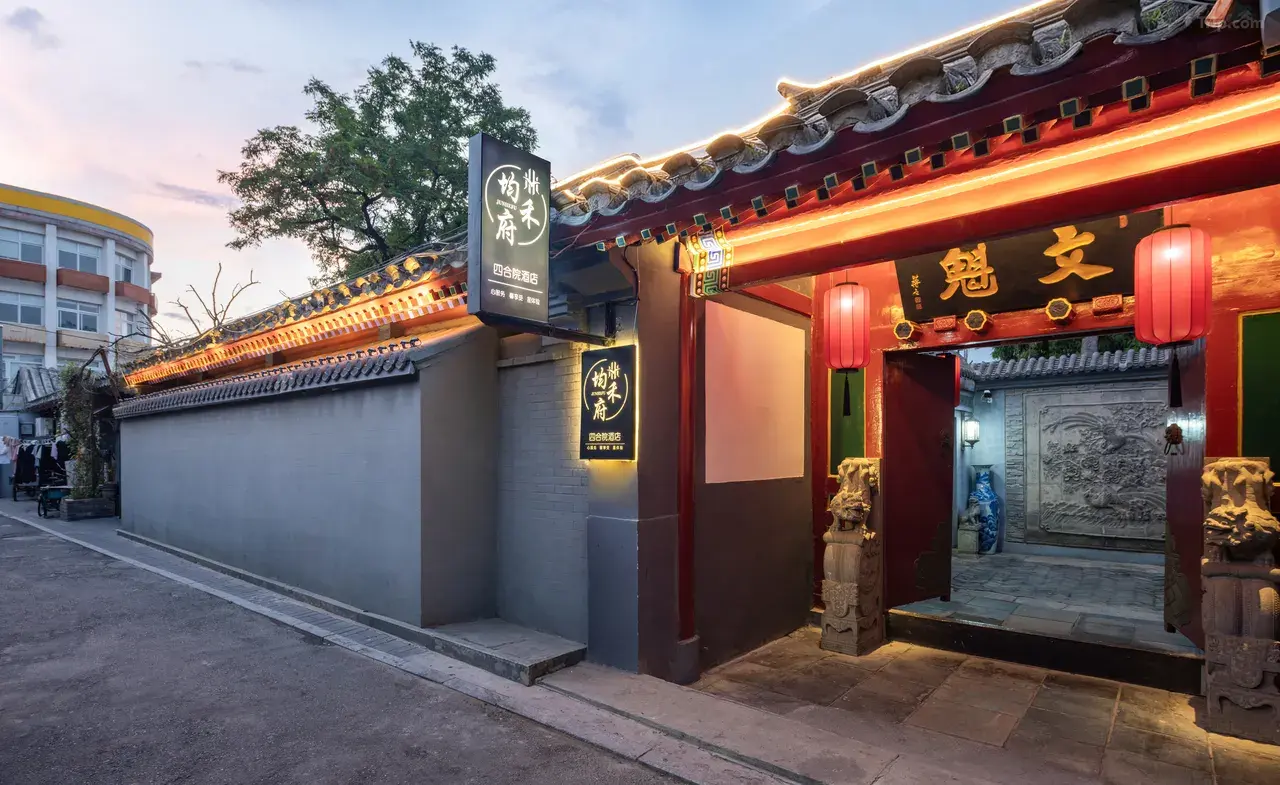
Junhefu Courtyard Hotel
Check availability →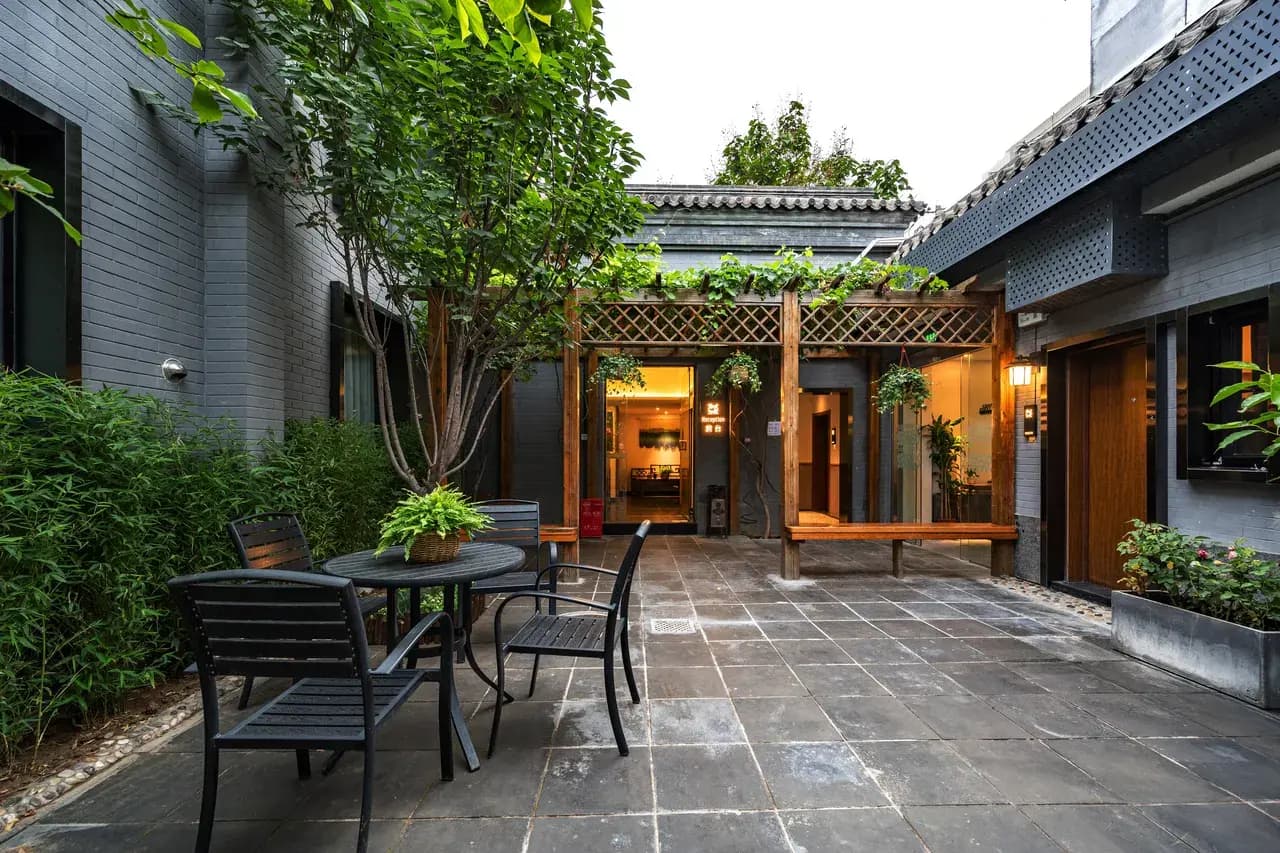
Qiuguo · The Imperial Courtyard
Check availability →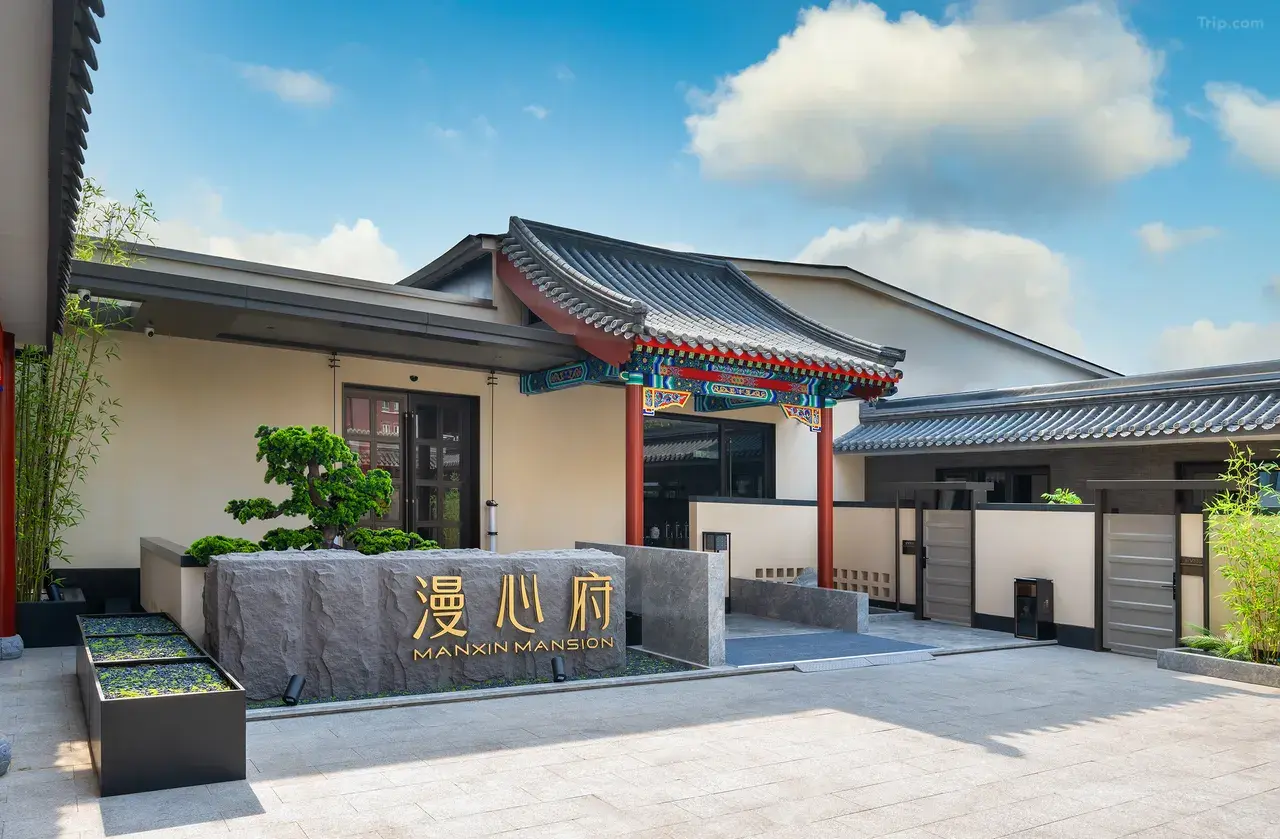
Manxin Mansion
Check availability →In the guide, I put together the full day-by-day Beijing itinerary, with the best order for visiting each sight and the day trips from the city. Explore the Guide →
A Budget-Friendly Alternative Next to Dongcheng
If the three options above are out of your budget, Chaoyangmen is a somewhat cheaper alternative. It sits right next to Dongcheng, to the east, and prices tend to be a bit lower. In exchange, you'll be farther from the main sights and will rely much more on the subway to get around.
Why the East Side of the Forbidden City Is More Convenient
When choosing a hotel, it may seem best to stay as close to the Forbidden City as possible, on either side. In practice, the west side is less convenient than the east, for two reasons.
First, a large park and lake to the west of the Forbidden City block direct walking routes. A hotel that looks close on the map may actually be a long walk from the visitor entrance because you have to go around them.
Second, the area contains government offices and residences used by the country's top leaders. Security is tight and some streets have restricted access, which can make getting around less convenient.
If staying close to the Forbidden City is a priority, choose the east side.
Sanlitun: Nightlife and a Different Side of Beijing
One thing to know before visiting Beijing: much of the city winds down at night. In the historic center, there's not much happening after a certain hour. The nightlife scene is nothing like Shanghai's.
Most of the nightlife is concentrated in Sanlitun, the city's most international neighborhood, with a wide choice of bars, restaurants and shops. It's one of the best places to go when much of the rest of Beijing has quieted down.
Sanlitun makes the most sense in two cases: if you've already visited Beijing and don't plan to revisit the Forbidden City or Tiananmen Square, or if nightlife is a priority.
The main drawback is its distance from the historic center. If you don't plan to visit that part of the city every day, though, it may not be an issue.
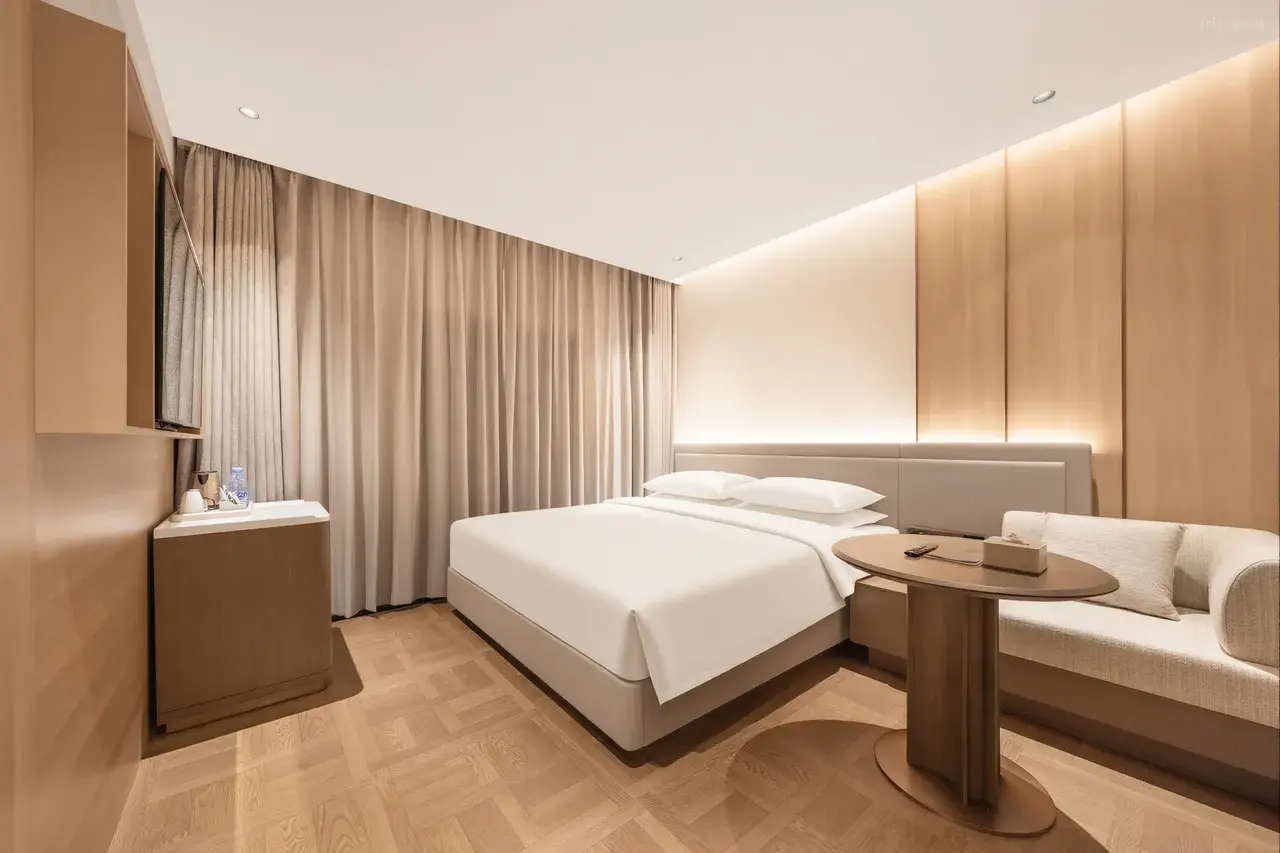
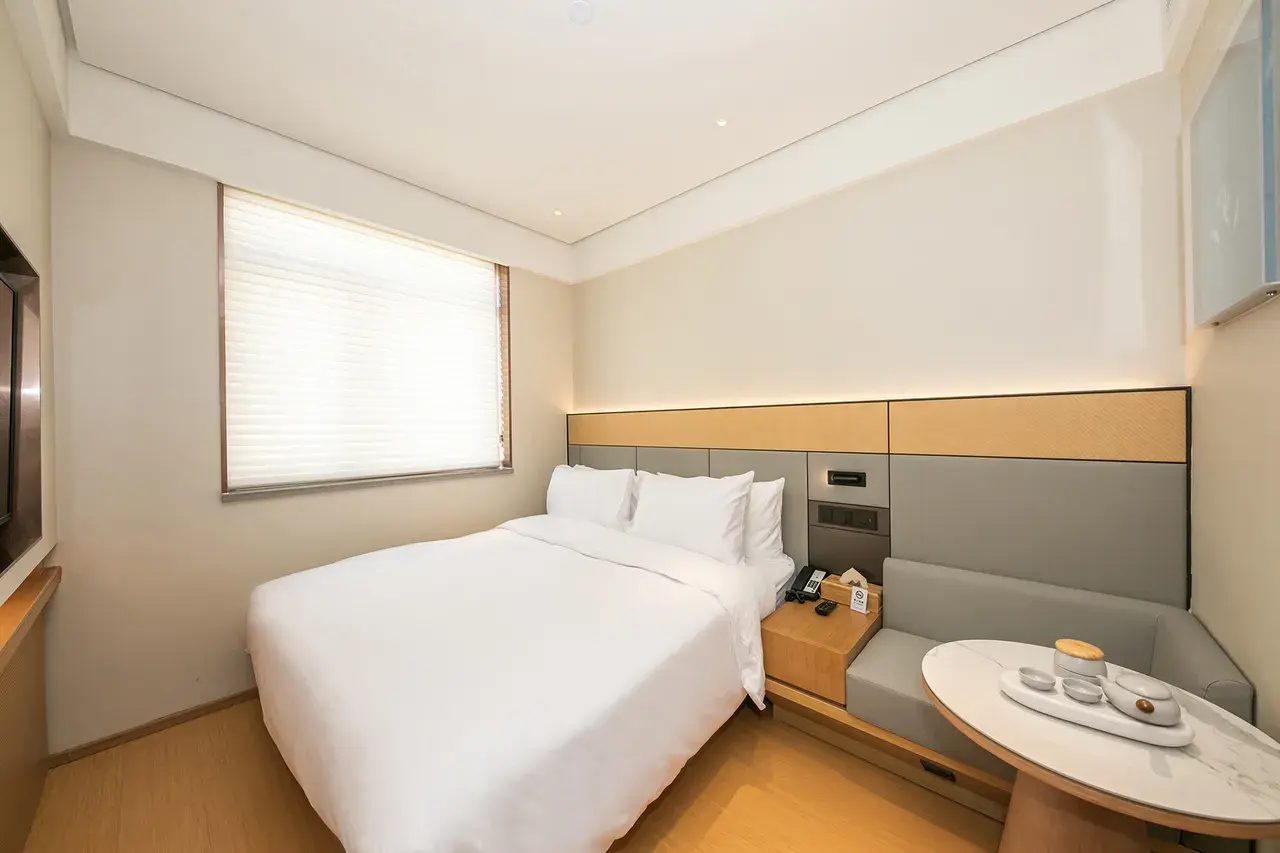
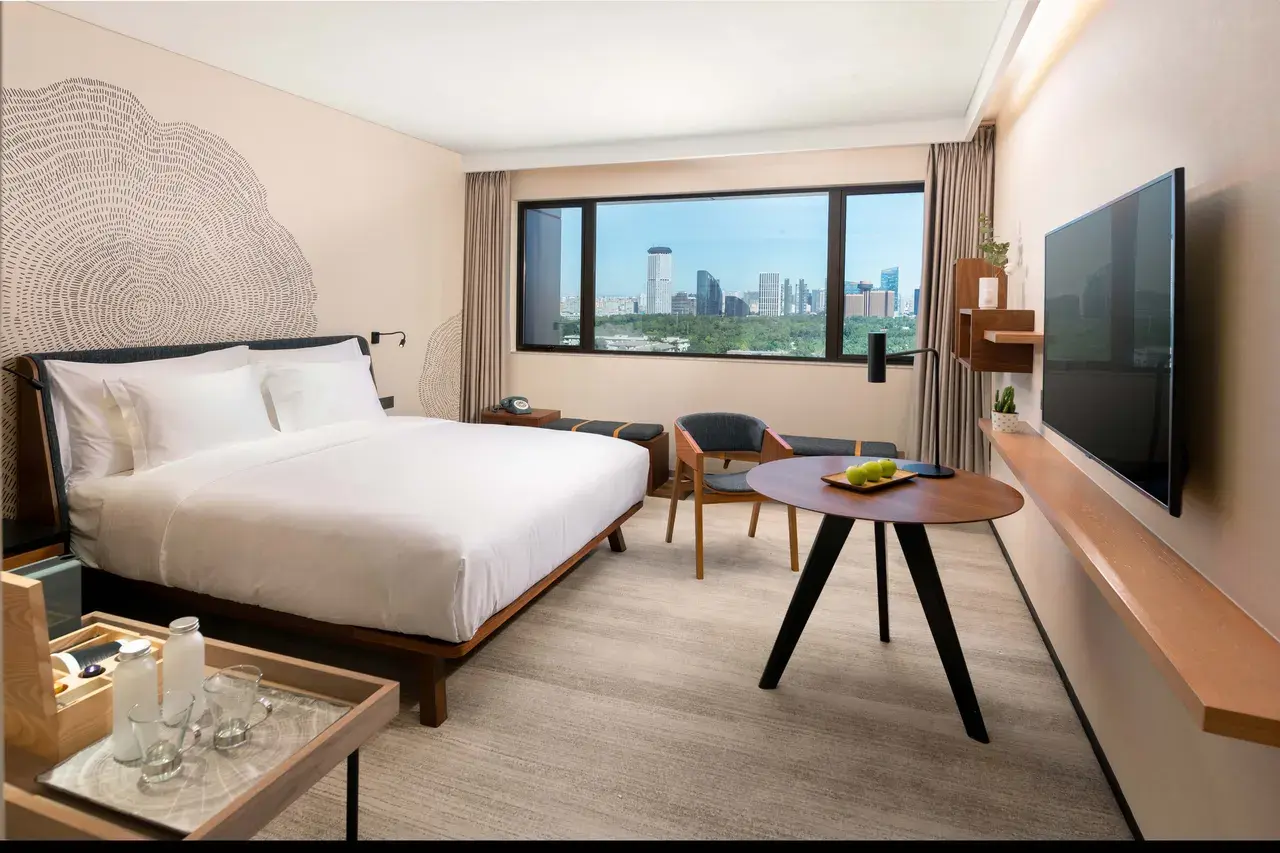
Recommended Hotels in Sanlitun
The China guide
Plan the Rest of Your China Trip
Choosing where to stay is just the first step. You'll also need to decide how many days to spend in Beijing, how to organize your sightseeing and how the city fits into the rest of your route.
- Day-by-day 2-week itinerary
- Apps, payments and internet set up before you travel
- Everything checked in person, not copied from the internet
Frequently Asked Questions
- How many nights should I stay in Beijing?
- At least three nights. Beijing has a lot to see and the sights are big, so it's best to give them full days instead of rushing.
- Should I stay near the Great Wall?
- No. The Great Wall is a day trip from Beijing, and it's not worth changing where you sleep for it: you leave early from the city and come back to the same hotel.
- Do I need to book in advance?
- Yes. The central areas are the first to sell out, and the best-located hotels get booked well ahead of time.
- Is it worth sleeping in a hutong?
- If the experience appeals to you, absolutely. You won't necessarily give up comfort, either: many are well renovated. What's worth knowing is that they can be pricey for what they are, since they're small and in high demand.
- Which area is best if I'm traveling with kids?
- Wangfujing and Qianmen are the two best options. They put the main sights within walking distance and cut way down on subway rides, which is what wears kids out the most. Of the two, Wangfujing is more comfortable: it has far more sit-down restaurants. Qianmen is full of street food, which is great, but not always what you want when you're traveling as a family.
This article contains affiliate links: if you make a purchase through them, I earn a small commission at no extra cost to you.