China Travel Guide
Great Wall of China From Beijing: Mutianyu, Badaling, or Jinshanling?
Which section of the Great Wall to visit from Beijing, how to get there, and when booking a tour makes sense.
By @mesapara1. I traveled to China in April 2026 and put together this article and my guide to share what I learned planning the trip on my own.
Last updated: October 31, 2026
When people talk about "the Great Wall of China," it sounds like one destination. But there are several sections you can visit from Beijing, and the experience varies considerably depending on which one you choose. Before my trip, I compared the different sections and ways to visit them. Here’s what I learned to help you decide which one suits you best.
There are three main options:
- Mutianyu: my recommendation for a first visit. It’s restored, has a cable car and toboggan, and is less crowded than Badaling.
- Badaling: the closest and most visited section from Beijing. It’s the easiest to reach, but also the busiest.
- Jinshanling: for travelers who prefer a more natural setting with fewer visitors and don’t mind a challenging hike.

Planning a trip to China? The guide brings together, in one place, all the practical information I wish I'd had before traveling. Explore the Guide →
Mutianyu Great Wall Tour: How to Get There and What to Book
If it’s your first trip to China, Mutianyu (also searched as Mu Tian Yu) is the section I recommend. It’s fully restored, surrounded by nature, and has excellent facilities, including restrooms, restaurants, shops, and cafés. You can take the Mutianyu cable car up and down, or ride the famous toboggan down.
Although it’s generally less crowded than Badaling, don’t expect an empty wall. Visitors tend to gather around the first watchtowers near the cable car station. The farther you walk, the fewer people you’ll encounter.
Mutianyu is about 73 km (45 miles) from Beijing, roughly 1.5 to 2 hours away depending on traffic. There’s no train, so you’ll need to take a bus or arrange a transfer. Plan for half a day at the Wall, plus the journey.
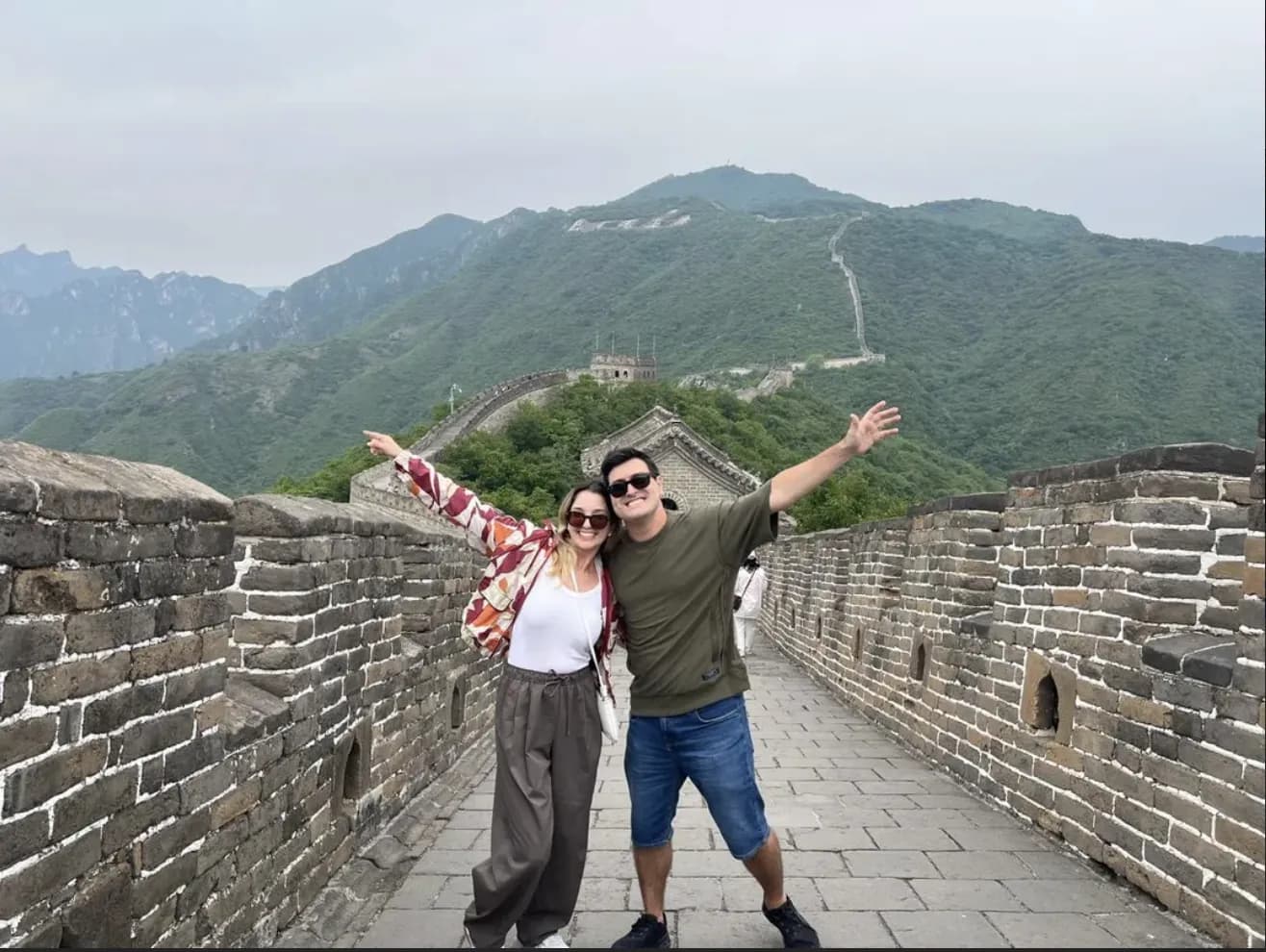
Once you reach the top, the Wall extends in two directions. If you choose to come down on the famous toboggan, you’ll explore a shorter stretch and need to wait in line.
You don’t need to walk the entire section to enjoy your visit. If you do want to cover it all, be ready to spend some time and energy. I reached the last watchtower, and it took me almost four hours because some of the staircases are extremely steep.
In the guide, I explain how to explore each side and how to cover both in a single visit. See the guide →
Badaling Great Wall: Tickets, Cable Car, and How to Get There
Badaling is the closest section to Beijing, about 70 km (43 miles) away, and the easiest to visit independently. High-speed trains from Qinghe and Beijing North stations take you right to the entrance. From Qinghe, the ride takes around 20 to 30 minutes. Tickets sell out quickly, so book ahead.
It also has the most extensive facilities, including cable cars in both directions, restaurants, shops, and even a museum.
The main downside is the crowds. As the most accessible and extensively restored section, it’s by far the busiest and feels more commercial than Mutianyu. If you want a quieter visit or photos without people in the background, it probably isn’t your best choice. But if you’re short on time or prefer public transportation, Badaling makes the most sense.
You don’t need to book a tour for Badaling because getting there on your own is fairly straightforward. You can check Badaling tickets, transportation, and tour options below.

Jinshanling Great Wall Hike: Unrestored Sections Near Beijing
If you’re looking for a more rugged experience, some sections of the Great Wall retain much of their original structure, with little restoration and far fewer visitors. Three of the best-known options from Beijing are:
- Jinshanling and Gubeikou are next to each other. You can hike them separately or connect them on a full-day trek.
- Jiankou is the wildest of the three. A common hiking route starts on the unrestored section and finishes at Mutianyu, where you can descend by cable car or toboggan.
Because these sections are largely unrestored, they’re much more demanding. There are no restrooms or restaurants along the way, the bricks can be loose, and some stretches involve more climbing than walking. They’re best suited to experienced hikers or travelers in good physical shape, and I wouldn’t attempt them in rain or icy conditions.
For these sections, I recommend booking a tour. They’re farther away, and a tour takes care of transportation and the hiking route. You can find Jinshanling tickets, transportation, and tours below.

Mutianyu vs Badaling vs Jinshanling: Which Great Wall Section Should You Visit?
| Mutianyu | Badaling | Unrestored | |
|---|---|---|---|
| Distance From Beijing | ~73 km | ~70 km | Farther away |
| Getting There Independently | Bus or transfer, 1.5–2 hours | High-speed train, 20–30 minutes from Qinghe | Tour recommended |
| Crowds | Fewer than Badaling; concentrated near the first watchtowers | The busiest | Very few visitors |
| Physical Effort | Low for a short walk; high if you go all the way | Low for a short walk; high if you go all the way | Very high |
| Cable Car | Yes, up and down | Yes, up and down | No |
| Facilities | Full facilities | Most extensive | None along the route |
| Best For | First-time visitors, families, older travelers | Limited time, public transportation | Hikers, physically fit travelers |
For a first visit, I’d choose Mutianyu. If you have limited time and want an easy train journey, go with Badaling. If you’ve already visited a restored section or love hiking, consider Jinshanling or another unrestored stretch.
If you’re planning a Great Wall day trip from Beijing and haven’t booked accommodation yet, this article covers the best areas to stay in Beijing.
Great Wall of China Tours: What to Expect
One thing to know before booking: shared Great Wall tours often work more like transportation with a coordinator than a guided visit. You meet at a designated pickup point, travel to the Wall, and explore on your own. There’s usually very little commentary during the journey.
One useful thing the tour coordinator can do is help you arrange extras on site. For example, if you didn’t book the Mutianyu toboggan in advance but decide you want to try it once you arrive.
If your tour includes a buffet lunch, keep your expectations low. My experience at Mutianyu wasn’t good at all: the food was poor, there was little variety, and I would have preferred eating at one of the restaurants near the Wall.
If you want someone to explain the history and accompany you as you walk along the Wall, a private guided tour is a better fit. There are two private options to choose from: a guided tour to Mutianyu, or one that pairs Badaling with the Summer Palace in the same day. Keep in mind that these often require a minimum number of participants.
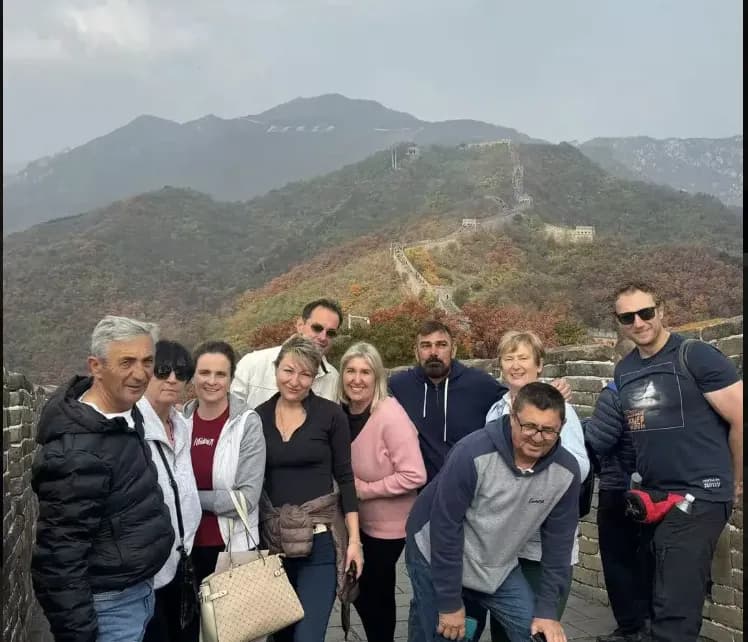
The second option combines Badaling with the Summer Palace in a single day, with a private guide for both stops.
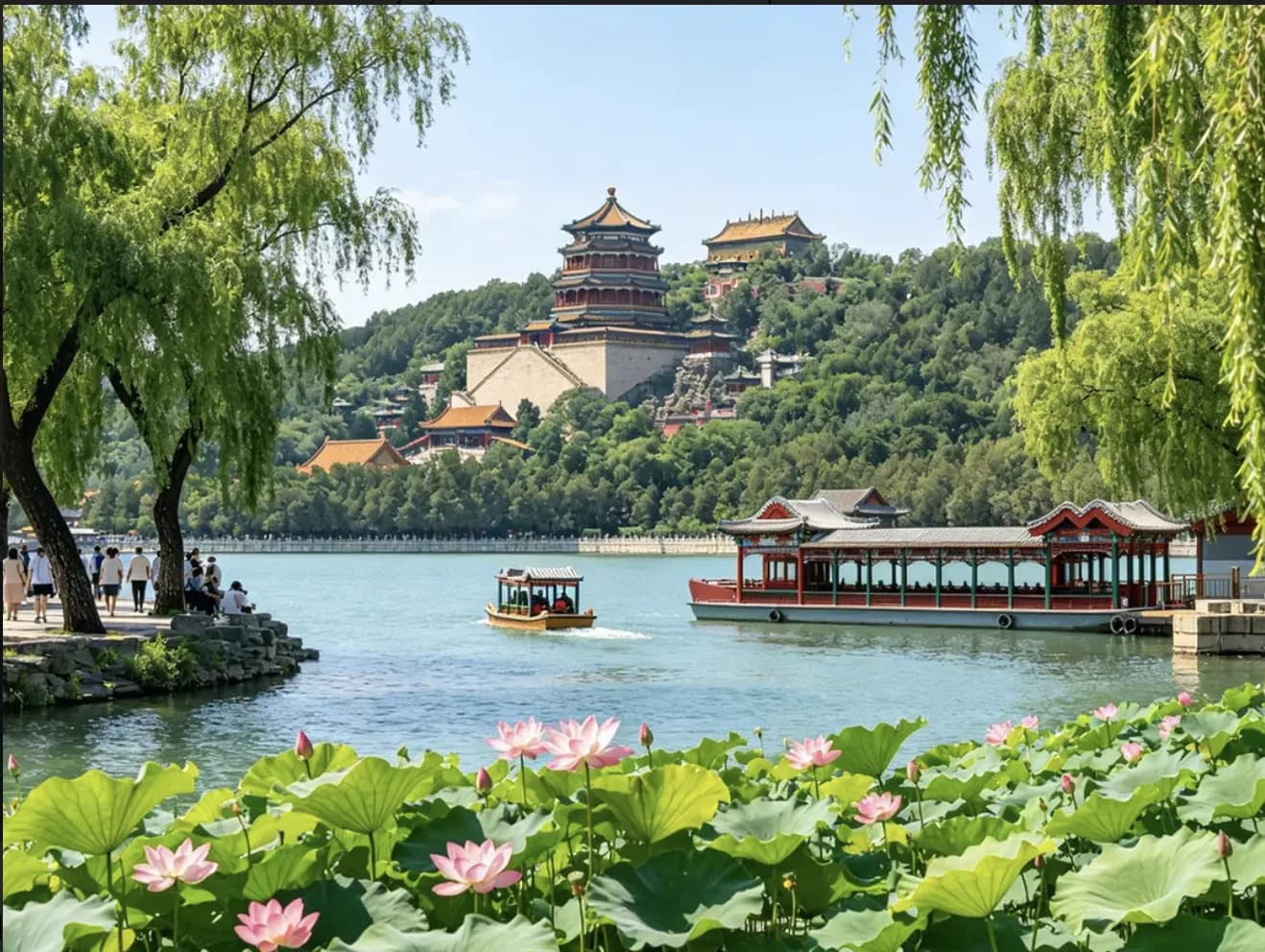
Walking an entire section of the Wall can be physically demanding. If you’d rather explore a shorter stretch and make the most of the rest of the day, some full-day tours combine Mutianyu with the Summer Palace.
Tips Before Visiting the Great Wall
Even during the warmer months, it’s colder at the Wall than in Beijing because of the elevation, especially early in the morning. It can also be windy, so dress in layers. Bring your passport too: you’ll need it to enter, as at most attractions in China.
If you plan to walk an entire section or visit an unrestored stretch, take the physical effort into account. You’ll probably be pretty tired the next day, so I’d avoid scheduling the Forbidden City on the following day unless you’re in very good shape.
China Travel Guide
How to Plan Your Days in Beijing With the Guide
Planning Beijing isn’t just about choosing which section of the Great Wall to visit. It also helps to spread out the more demanding activities rather than schedule them on consecutive days. The guide includes a day-by-day Beijing itinerary, with recommendations to help you plan each visit.
- Day-by-day 2-week itinerary
- Apps, payments and internet set up before you travel
- Everything checked in person, not copied from the internet
Frequently Asked Questions
- Can You Visit the Great Wall Without a Tour?
- Yes, you can visit both Badaling and Mutianyu independently. Badaling is easier because the high-speed train takes you right to the entrance. There is no train to Mutianyu, so you’ll need a bus or transfer, and the journey takes longer. For the unrestored sections, I recommend a tour.
- Can You Visit With Children or Older Travelers?
- Yes. Both Badaling and Mutianyu have cable cars, so you can avoid the steepest climbs. Once at the top, walk as far as you like and then head back. I wouldn’t recommend the unrestored sections.
- Are There Restrooms, Shops, and Restaurants?
- Yes, Badaling and Mutianyu have restrooms, restaurants, shops, and cafés. There are no facilities along the unrestored sections, so bring water and food.
- Is It Cold at the Great Wall?
- It’s colder than Beijing because of the elevation, especially early in the morning, and it’s often windy. In winter, the steps can also be icy.
- Is Visiting the Great Wall Physically Demanding?
- It depends on how far you walk. Some stretches are flat and easy, while others have long staircases and very steep slopes that almost feel like climbing. Staying near the cable car is manageable. If you want to reach the far end, as I did at Mutianyu, expect several hours of stairs and steep climbs.
- How Much Time Should You Allow?
- Allow half a day at Mutianyu or Badaling, plus travel time from Beijing. The unrestored sections take a full day.
- Should You Book in Advance?
- I recommend it, especially on weekends and Chinese public holidays, when many domestic tourists visit. If you’re taking the train to Badaling, book your train tickets early because they sell out.
- Do You Need Your Passport?
- Yes. You’ll need it to enter, as at most tourist attractions in China.
This article contains affiliate links: if you make a purchase through them, I earn a small commission at no extra cost to you.